Yellow Sticky Trap Price – What Industry Pros Should Know

05 December 2025


Yellow Sticky Trap Price: What to Expect in Industrial Applications

Having spent years knee-deep in the industrial equipment world—especially in pest control solutions—I can tell you that the yellow sticky trap price is one of those deceptively simple details that can make or break a project. You think, “Sticky traps are cheap, right?” Well, yes and no. They may look straightforward, but when you’re buying in bulk or with specific requirements, the cost can vary widely.

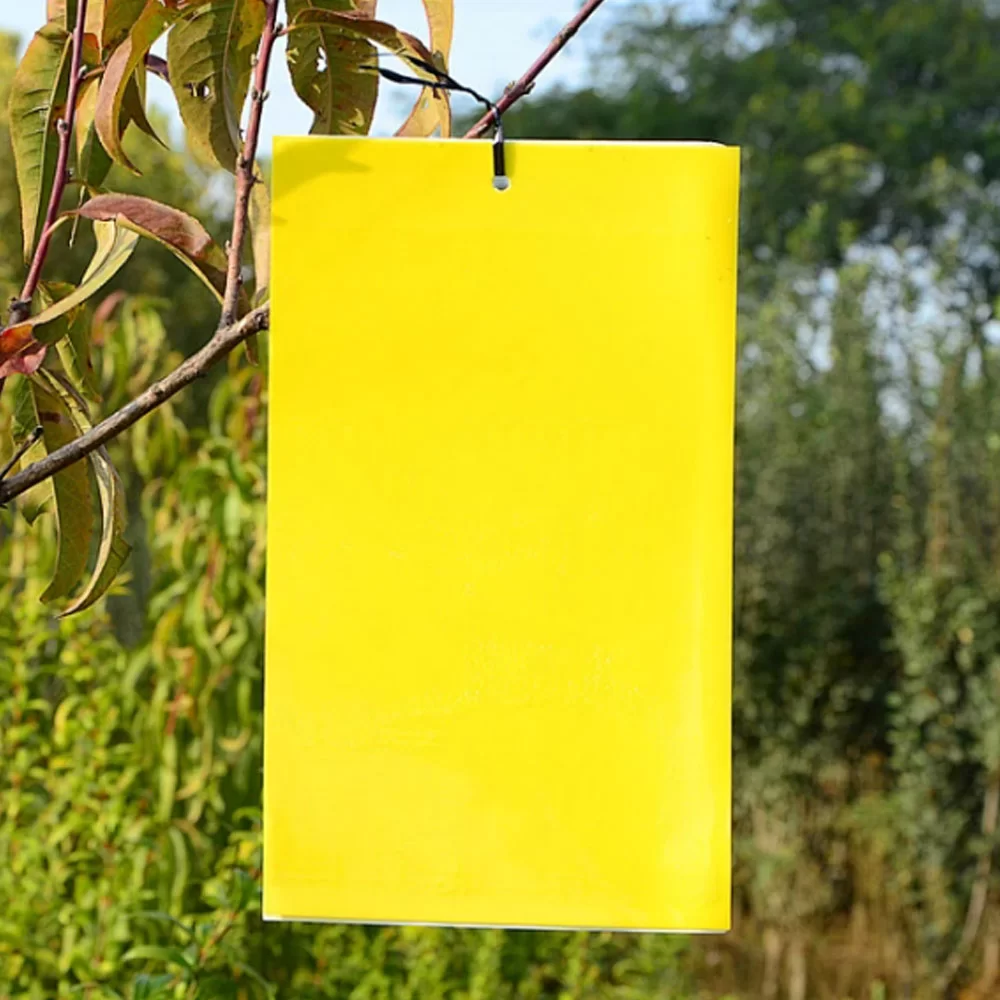
In real terms, yellow sticky traps are designed to lure specific insects using that bright yellow pigment, which (oddly enough) many pesky flying bugs find irresistible. But once you add up the materials, adhesive quality, size, and durability standards—plus, if you want eco-friendly variations—the price starts reflecting those subtleties. From my experience, it’s best to think beyond the unit price and consider what you’re really getting. Durability and stickiness pay off in the long run by reducing replacements and labor hours.

Understanding Product Specifications

Here’s a quick snapshot of what a typical yellow sticky trap looks like on paper:

Specification Details
Dimensions 20 x 25 cm (standard size)
Adhesive Type Non-toxic, insect-specific tack
Material Durable cardboard backing with UV-resistant coating
Shelf Life Up to 12 months if stored properly
Intended Use Indoor and greenhouse insect monitoring

Comparing Industry Vendors on Price and Value

It’s interesting how vendors approach pricing. Some go ultra-budget, offering basic yellow sticky traps at rock-bottom prices but skimp on adhesive quality or durability. Others add a premium for tested performance or eco-certifications. From chatting with colleagues, I noticed there's no one-size-fits-all answer—you have to balance price with what really matters for your application.

Vendor Unit Price (USD) Bulk Discounts Eco-Friendly Options Warranty/Guarantee
HB Archer Fish $0.85 10% off 500+ units Yes 12 months
GreenLine Supplies $0.72 5% off 300+ units Only some models 6 months
InsectPro $0.95 15% off 1000+ units Yes 18 months

One memorable project comes to mind. A greenhouse client swore by using low-cost sticky traps initially. But they kept having to replace them every month due to adhesive failures in humid conditions. Switching to a slightly more expensive, heavy-duty option from a trusted supplier cut their labor costs by nearly half. Kind of a classic “buy cheap, buy twice” scenario.

Personally, I like to test different options in real environments before sealing any large deals. You get a feel for how the traps behave—stickiness, color fading, and durability aren’t always obvious specs on paper. Plus, if you’re into customization (like adding company logos or QR codes for tracking), some vendors charge a premium but it’s often worth it for professional setups.

So, when considering yellow sticky trap price, keep in mind the bigger picture: material quality, adhesive reliability, vendor support, and bulk buying terms. Frankly, it's not just about finding the cheapest sticker but the one that really holds up in your environment.

In short, don’t let the small price tag fool you—sticky traps have their quirks. But when chosen wisely, they can be an efficient, eco-friendly, and cost-effective part of any pest management arsenal.

A good sticky trap is like a loyal workhorse: quietly doing its job day in and day out, as long as you pick one up to the task.

References

  1. Industrial Pest Management Journal, 2022: "Adhesive Technologies in Sticky Traps"
  2. Greenhouse Grower Forum, 2023: "Choosing the Right Insect Monitoring Tools"
  3. Personal communication with HB Archer Fish technical team, 2024
Comprehensive Guide to Bird Mesh for Sale and Effective Bird Control Solutions

Mar 04, 26

Comprehensive Guide to Bird Mesh for Sale and Effective Bird Control Solutions

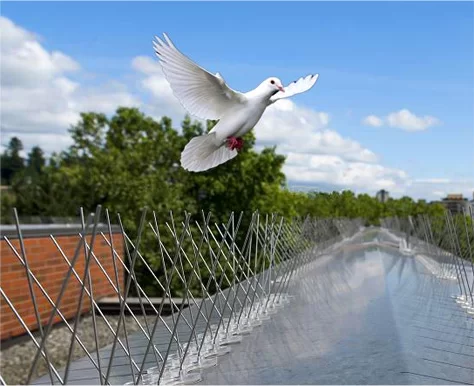
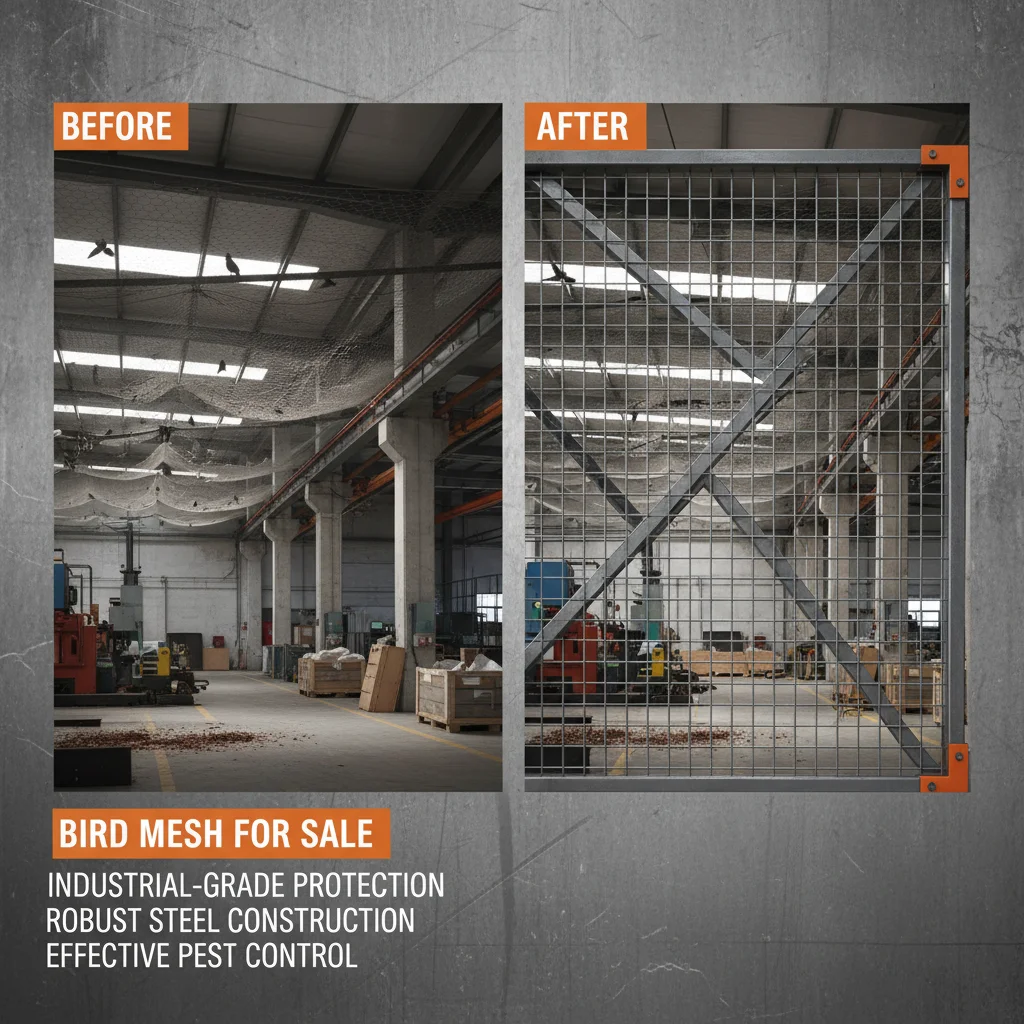
Bird mesh for sale represents a critical component in safeguarding agricultural yields, protecting infrastructure, and mitigating the damage caused by avian pests. Globally, bird-related crop losses are estimated at billions of dollars annually, impacting food security and economic stability. The demand for effective bird control solutions, particularly bird mesh, is increasing due to growing awareness of these losses and a shift towards sustainable agricultural practices. Understanding the nuances of bird mesh – its materials, applications, and effectiveness – is essential for farmers, property owners, and pest control professionals worldwide. The bird mesh industry is experiencing consistent growth, driven by factors such as increasing urbanization leading to human-wildlife conflict, and the rise of intensive farming practices. Innovations in material science are resulting in more durable and cost-effective bird mesh options. Organizations like the Food and Agriculture Organization (FAO) are promoting integrated pest management strategies, which often include physical barriers like bird mesh, as a key element in sustainable agriculture. Therefore, access to high-quality bird mesh for sale is crucial for implementing these strategies.
Exploring Prefabrication and Material Choices at a Modern Mouse Trap Factory

Jan 31, 26

Exploring Prefabrication and Material Choices at a Modern Mouse Trap Factory

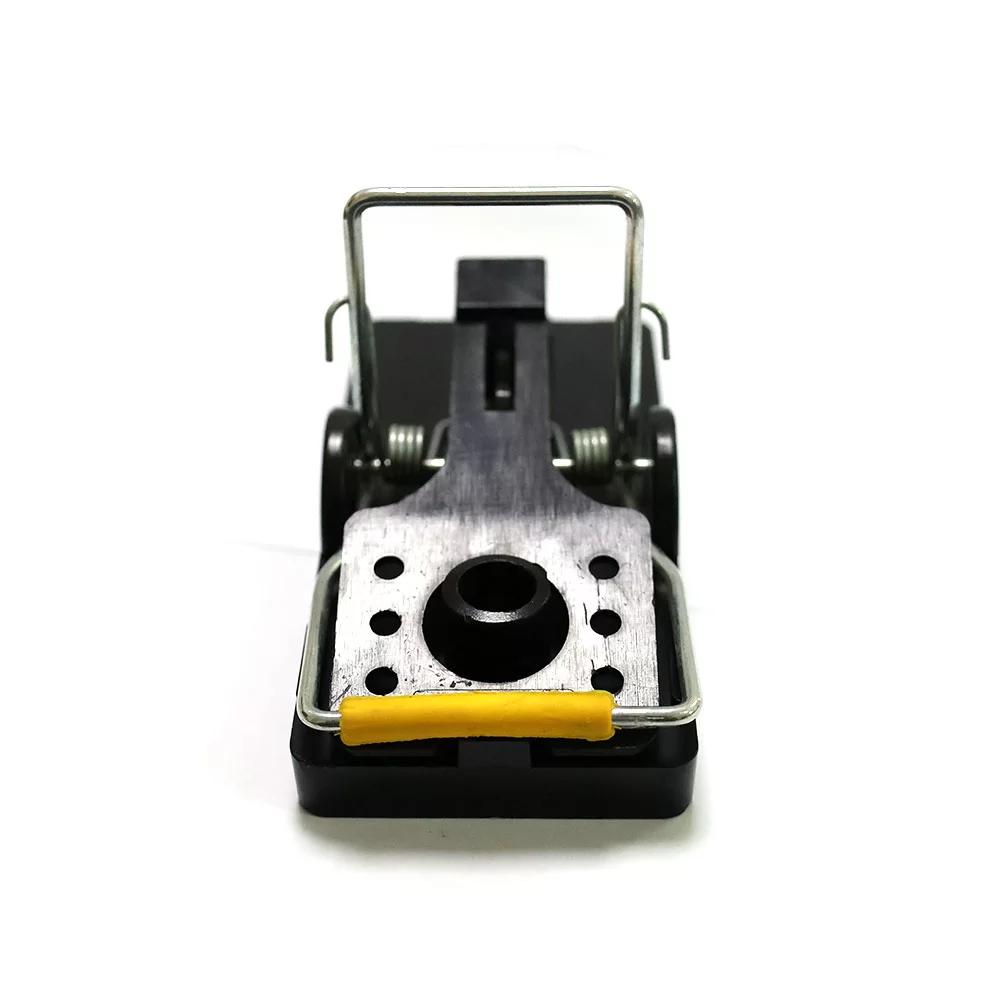
Honestly, the whole industry’s been buzzing about prefabrication. Everyone’s talking about modular designs, off-site construction... it's not new, mind you. We’ve been tinkering with this stuff for years. But now, with labor costs climbing and timelines shrinking, it’s finally getting some serious traction. It’s like everyone suddenly realized building things piece by piece in a factory is…well, more efficient. You wouldn’t think, right? You spend your whole career on a dusty construction site, then people tell you to move everything indoors. Seems backwards. But then you start looking at the details, and that’s when things get tricky. People think design is just about making it look good. It’s not. It's about making it work good, especially when you hand it to a guy who’s been swinging a hammer for twenty years and expects things to make sense. I've seen so many designs that looked great on paper, completely fall apart the moment someone tried to actually build them. We’re primarily working with a high-density polyethylene (HDPE) for the main body – it's tough, lightweight, and surprisingly forgiving. Smells a bit like… well, plastic, obviously. But a good grade HDPE, the stuff we source from that factory in Ningbo? It feels solid.
Types of Mouse Traps: Choosing the Right Rodent Trap for Effective Pest Control

Mar 13, 26

Types of Mouse Traps: Choosing the Right Rodent Trap for Effective Pest Control

Rodents are a common problem for homes, farms, warehouses, and commercial spaces.

Exploring the Versatility and Growing Applications of Bird Mesh Technology

Mar 11, 26

Exploring the Versatility and Growing Applications of Bird Mesh Technology

Bird mesh, a versatile and increasingly vital component in modern infrastructure and emergency response, is rapidly gaining global recognition. Initially conceived for specialized applications like aviary protection, its inherent properties – lightweight durability, adaptable configuration, and cost-effectiveness – have broadened its utility across diverse sectors. Understanding bird mesh isn’t just about the material itself, but about a paradigm shift in how we approach shelter, security, and sustainable building practices. The global demand for rapid deployment solutions, whether for disaster relief, temporary housing, or remote industrial operations, is escalating. Factors such as increasing frequency of natural disasters, global population displacement, and the need for scalable infrastructure in challenging environments drive this demand. Bird mesh offers a compelling alternative to traditional construction methods, addressing critical needs with speed, efficiency, and minimal environmental impact.

If you are interested in our products, you can choose to leave your information here, and we will be in touch with you shortly.