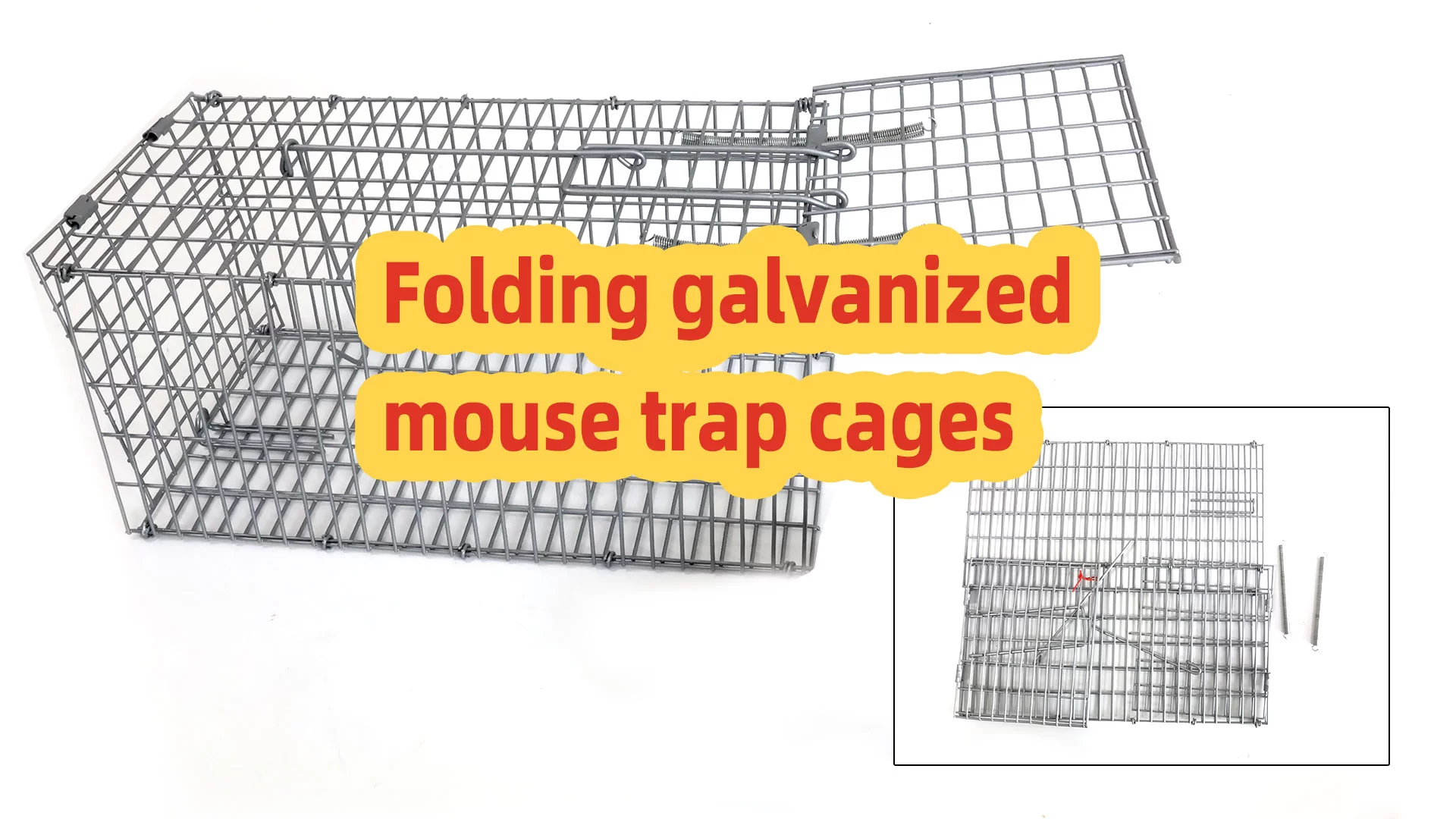
Large live animal traps represent a critical yet often overlooked component of modern wildlife management, conservation efforts, and even public safety initiatives. Their increasing importance stems from a global need for humane and effective methods for managing animal populations, facilitating research, and responding to human-wildlife conflict. Understanding the nuances of these traps – their design, deployment, and ethical considerations – is paramount for professionals and citizens alike. The relevance of large live animal traps extends across diverse geographical regions and industries. From supporting wildlife research in the Amazon rainforest to mitigating crop damage by elephants in Africa, these tools play a vital role in maintaining ecological balance. Globally, the World Wildlife Fund estimates that human-wildlife conflict costs billions annually, underscoring the necessity for effective, non-lethal management strategies, of which live trapping is a key element. The benefits of properly utilized large live animal traps are multifaceted. They offer a humane alternative to lethal control methods, facilitate valuable data collection for conservation scientists, and allow for the relocation of animals away from areas of conflict.
Live animal traps represent a crucial intersection of wildlife management, public safety, and humane animal control. These devices, ranging from simple box traps to sophisticated electronic systems, are utilized globally to safely capture animals for relocation, research, or control of populations. The understanding and responsible implementation of live animal trap technologies are increasingly important in a world grappling with human-wildlife conflict and the conservation of biodiversity.
The significance of live animal traps extends beyond immediate problem-solving. They play a vital role in disease surveillance, allowing for the monitoring and control of zoonotic diseases. Furthermore, they’re essential for conservation efforts, facilitating species recovery programs and the study of animal behavior. Effective live animal trapping strategies require knowledge of animal behavior, trap design, and ethical considerations.