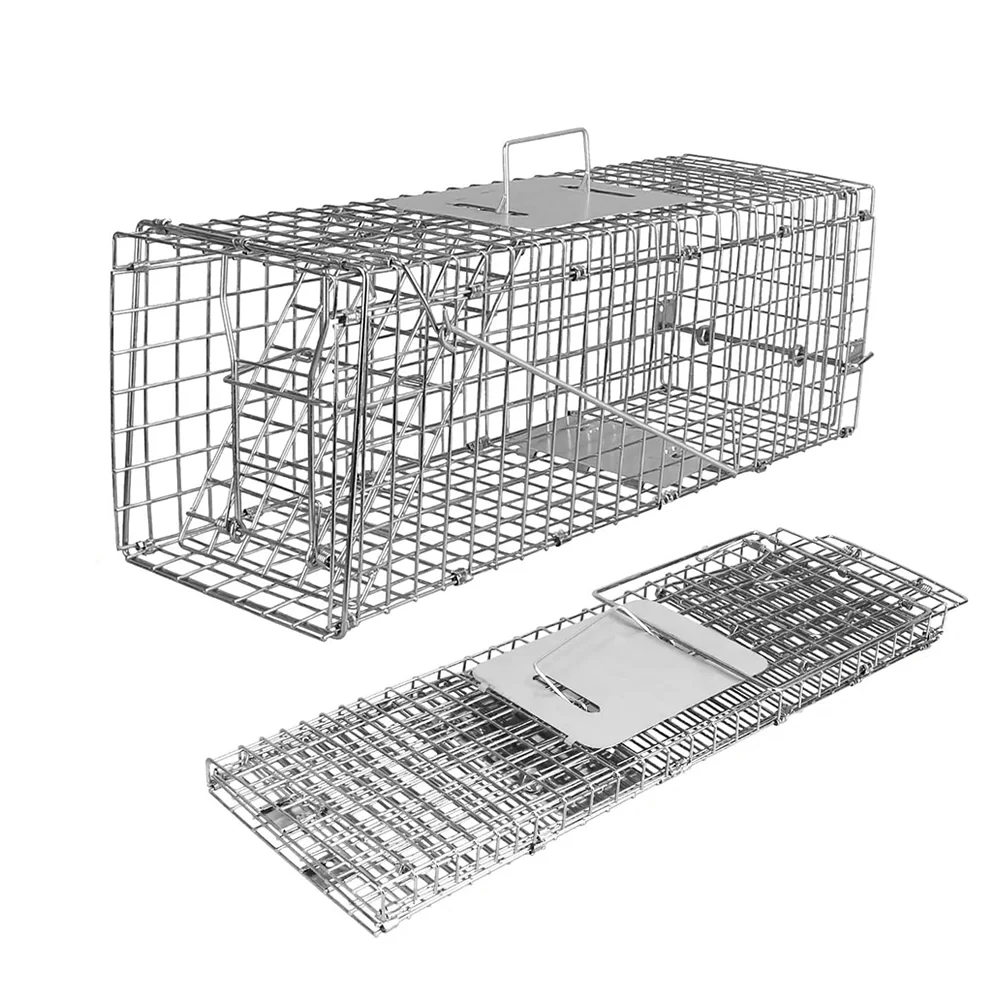
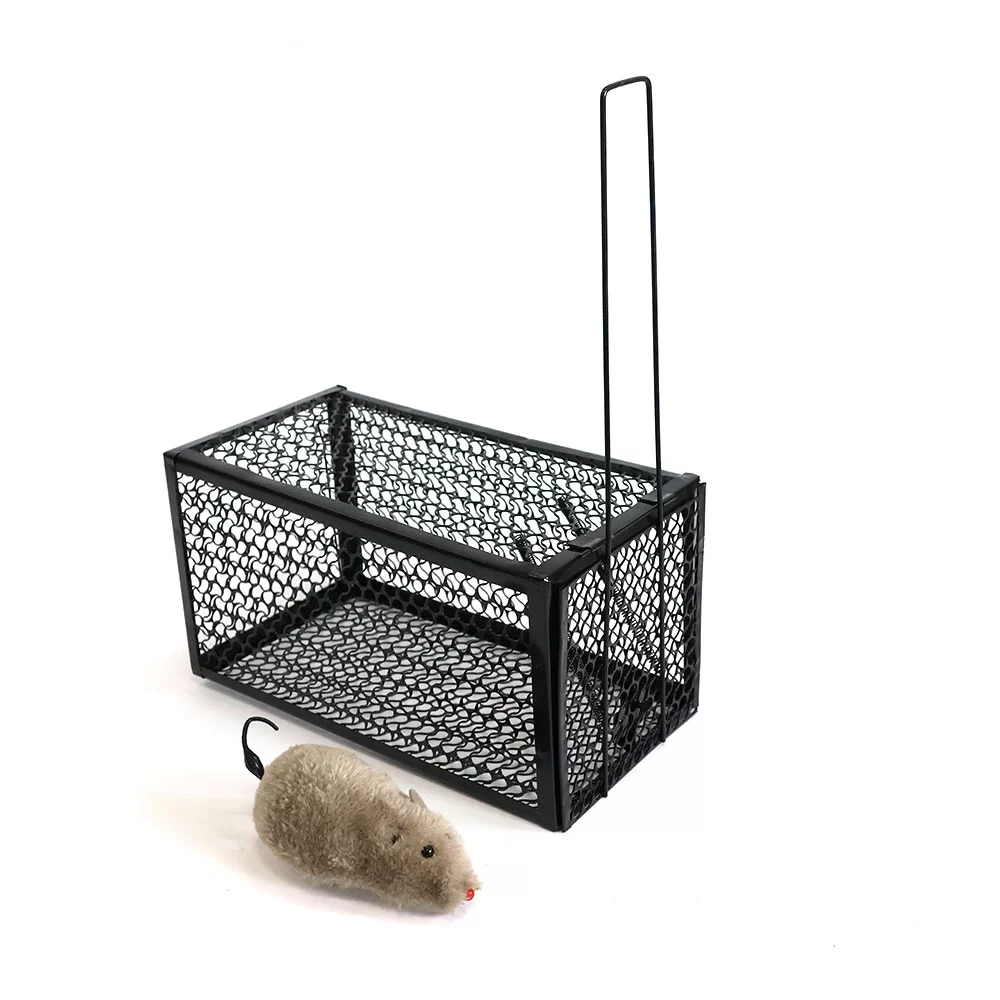
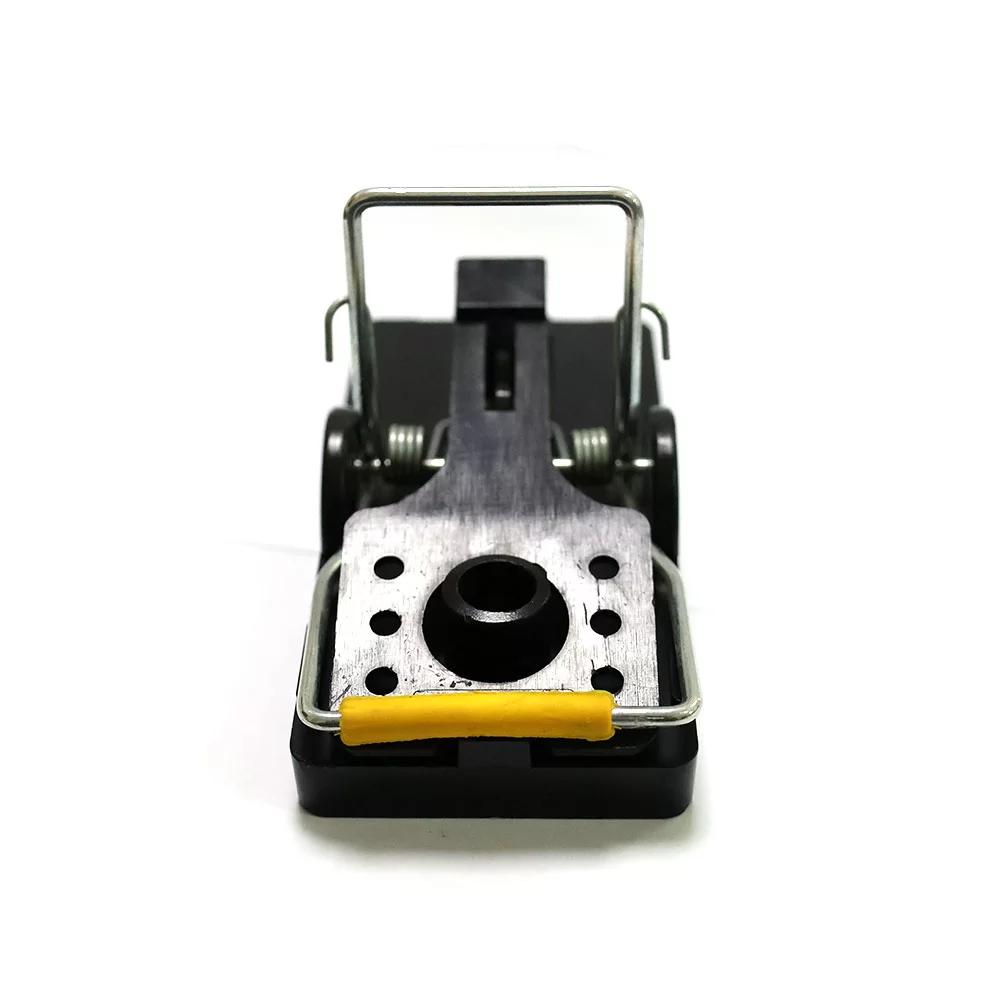
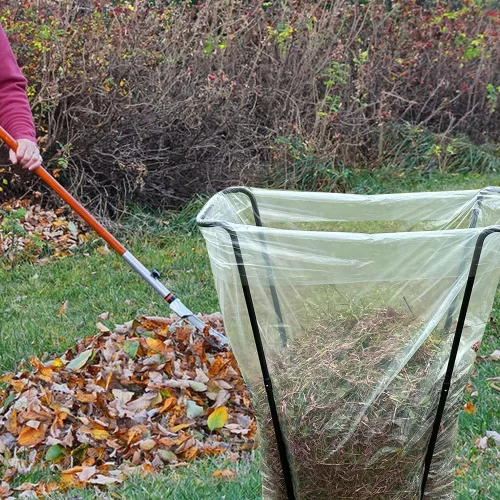
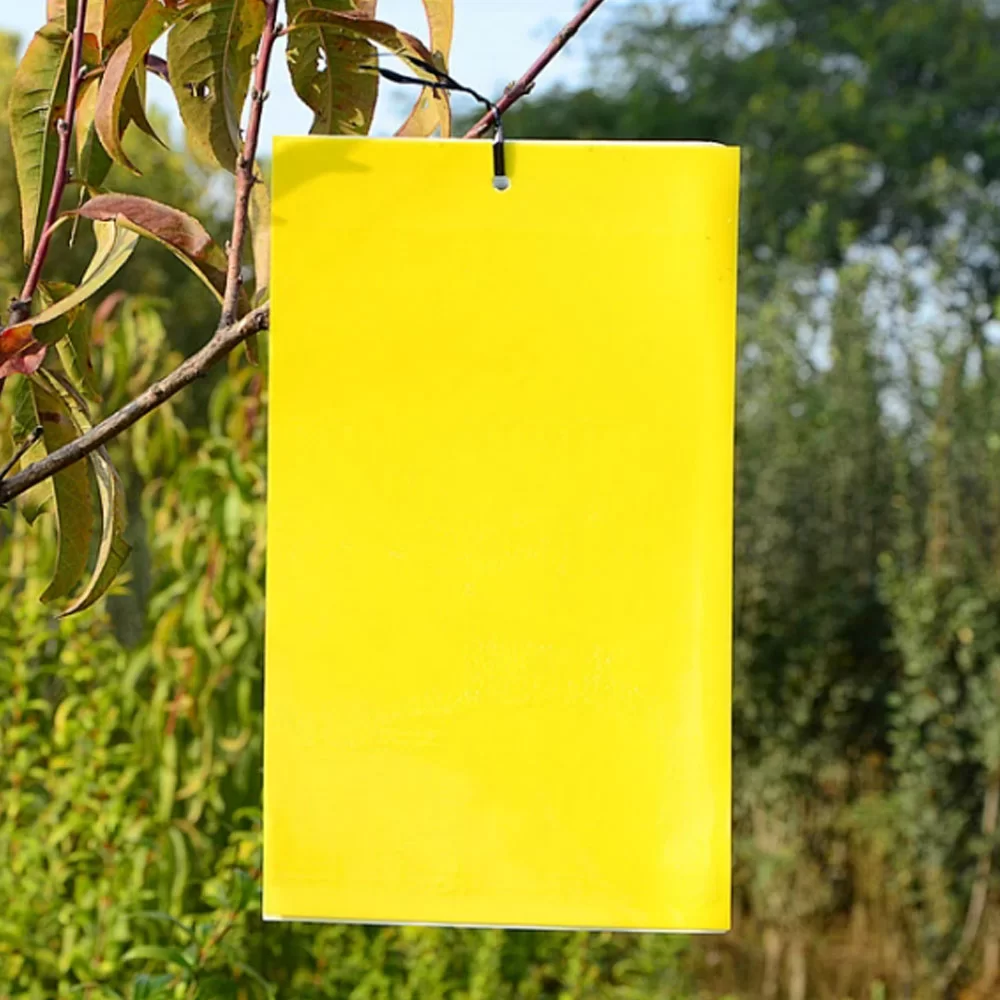
Farmers and agricultural enterprises use our trap cages and sticky trap to protect crops from rodents and pests without harmful chemicals. Snake tongs) ensure safe removal of snakes near barns or fields, safeguarding livestock and workers.Garden Rake simplify post-harvest cleanup in orchards and farmyards.
Residential & Commercial Spaces
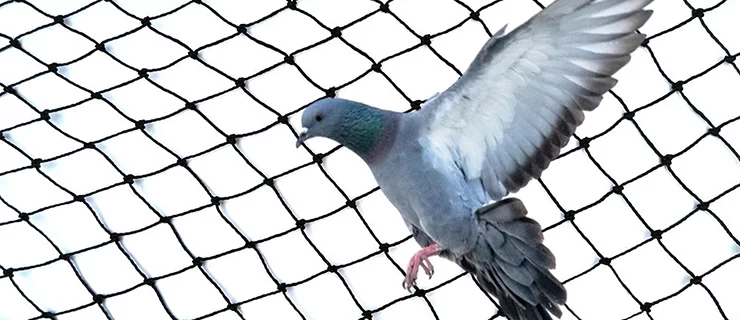
Homeowners and businesses (restaurants, hotels, offices) rely on our pest control products to maintain hygiene.
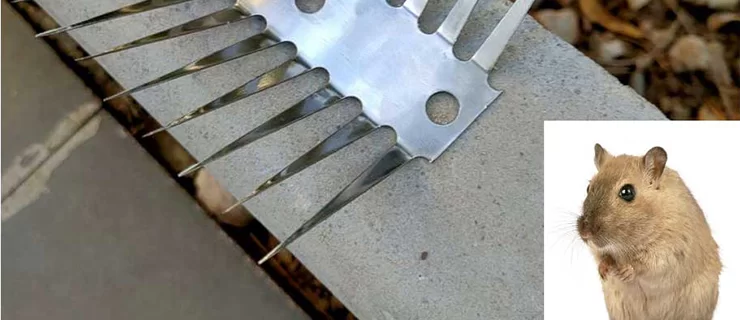
Warehouses, factories, and logistics hubs utilize anti-climb spikes to deter rodents and intruders from scaling walls or fences.
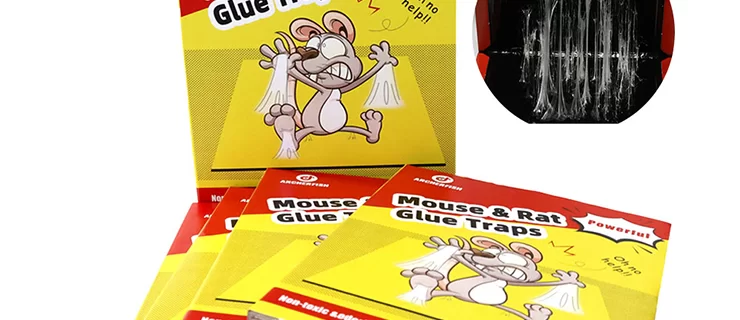
Parks, schools, and hospitals benefit from our bird spikes on benches and statues, maintaining public cleanliness.
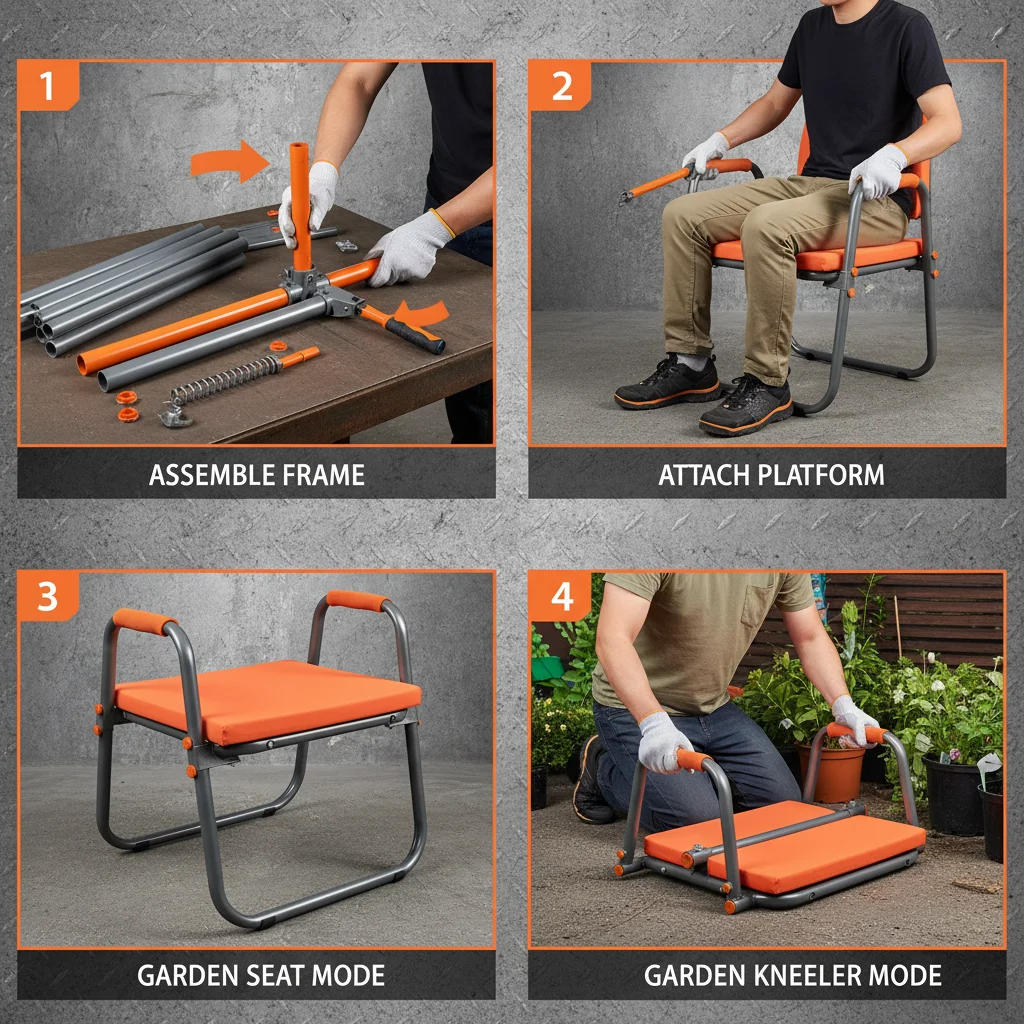
Mar 12, 26
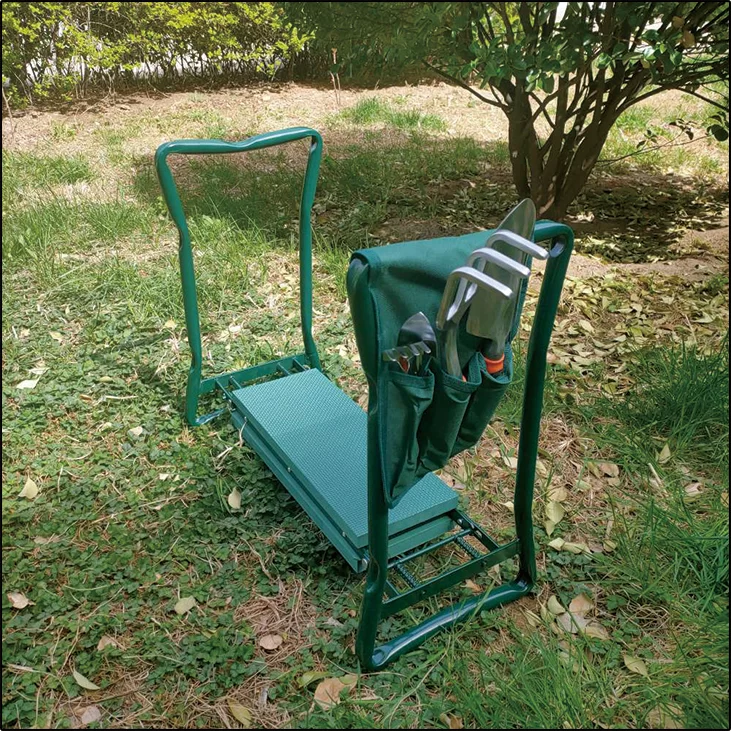
Enhance Your Gardening Experience with a Versatile 2 in 1 Garden Kneeler
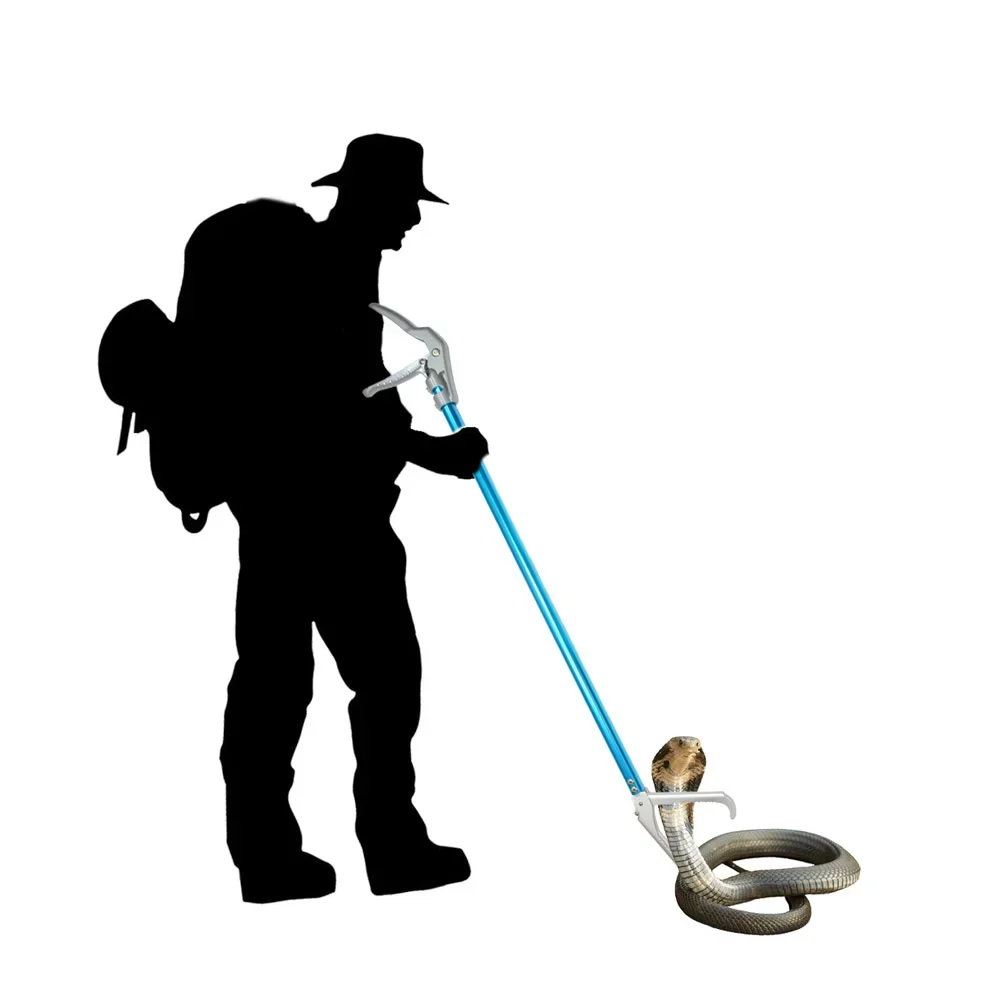
Oct 10, 25
Seeking Heavy-Duty Snake Tongs? Why Choose Ours?
In the demanding field of wildlife management, safety and effectiveness are paramount.
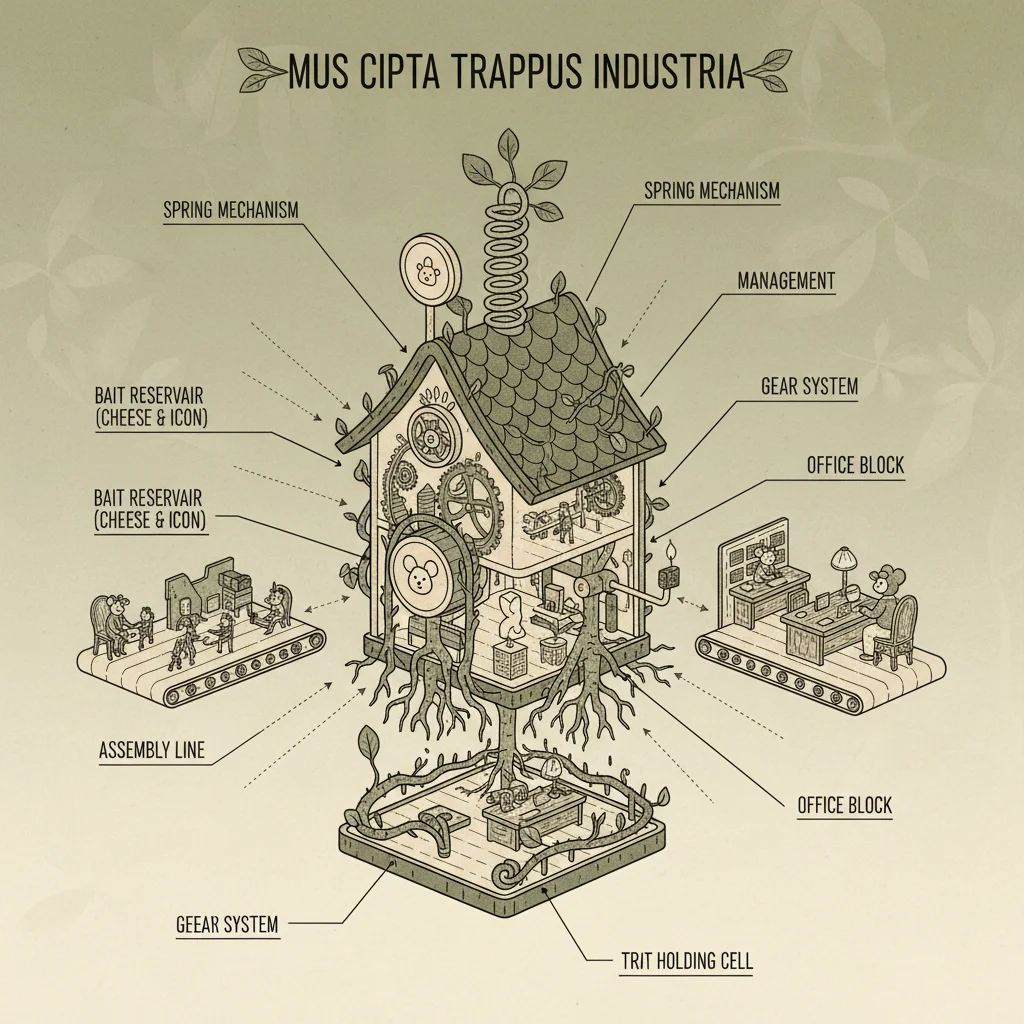
Jan 26, 26
Robust Enclosure Solutions from a Leading Mouse Trap Company
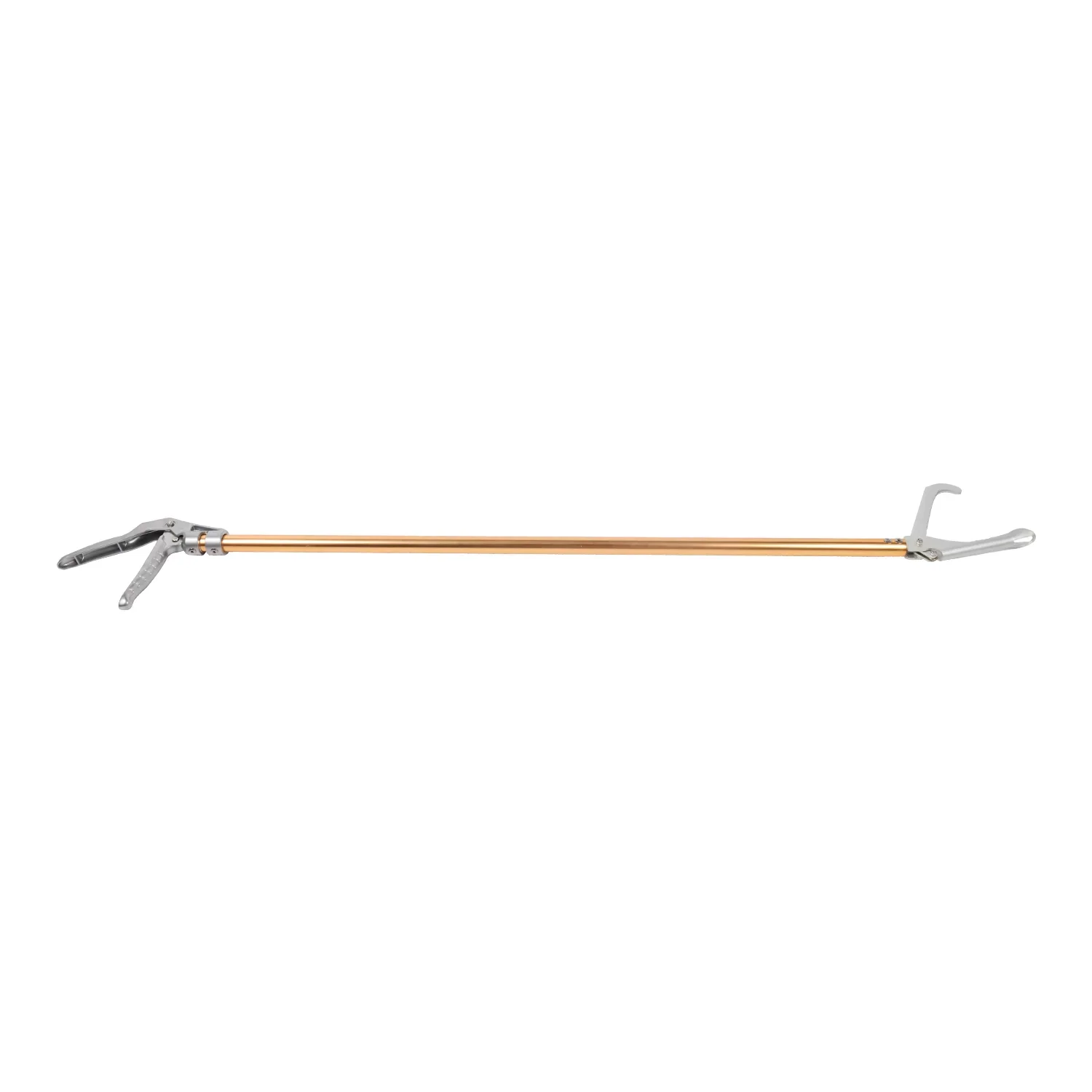
Oct 10, 25
Need Robust Snake Tongs? Explore Professional Grabbers!
When it comes to the safe and humane relocation of reptiles, having the right Heavy-Duty Snake Tongs for Professional Wildlife Management is paramount.