Yellow Sticky Traps for flea beetles: A Veteran’s Perspective
Having spent more than a decade working hands-on in the industrial equipment sector, especially around agricultural pest control solutions, I’ve come to appreciate simple yet highly effective tools. One such tool that never fails to get a nod from field experts is the humble yellow sticky trap designed to tackle flea beetles. Oddly enough, it’s such a straightforward device yet packs a punch in protecting crops from these tiny, otherwise maddeningly elusive pests.
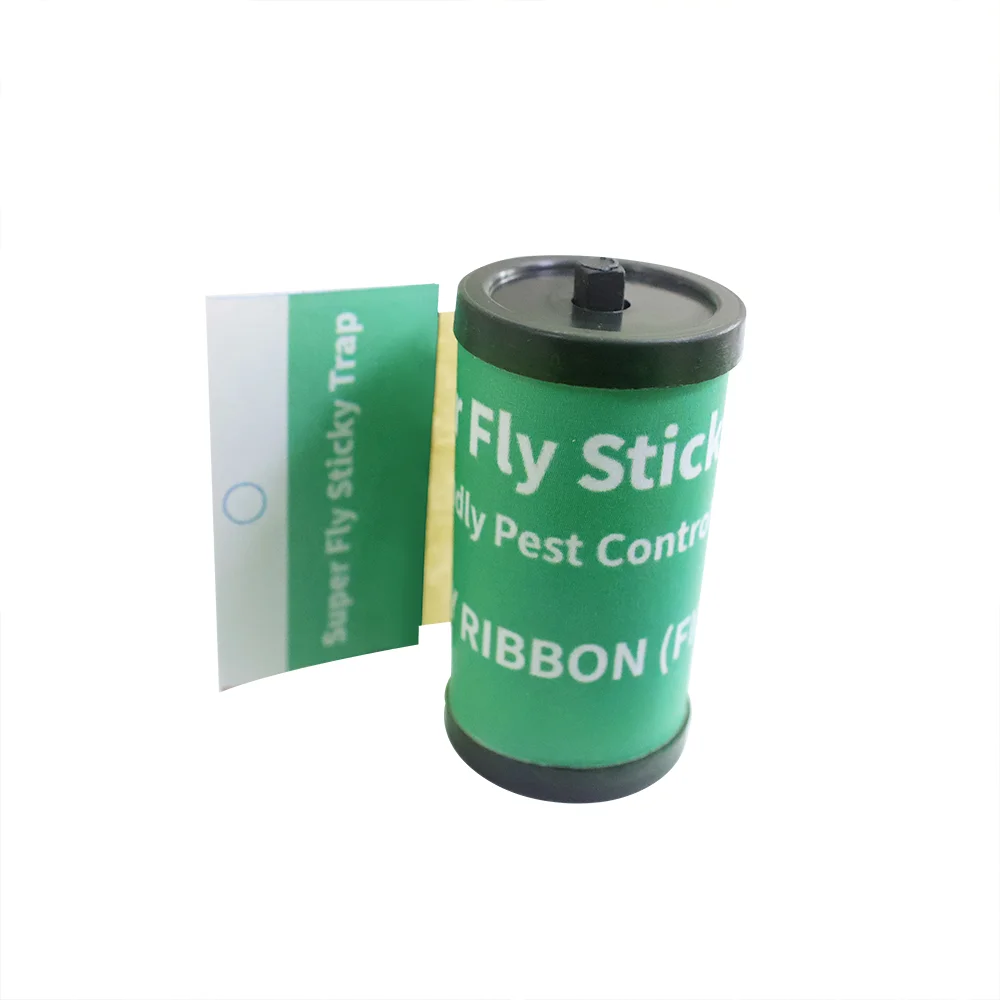
When I first encountered these traps on a client's farm, I was skeptical. The idea seemed almost too simple: a bright yellow card coated with a sticky adhesive that lures in flea beetles, which get caught as they land. Yet, in real terms, these traps help reduce chemical pesticide use, which is a win-win for both environmental stewardship and operational costs.
From what I’ve seen, the industry has been steadily improving trap designs — the quality of the adhesive and the shade of yellow really matter. You want something tacky enough to hold the pests but not so thick that it messes with the trap’s durability under sun and rain.
One tip I picked up from seasoned agronomists: placement is everything. You generally want to position traps close to your susceptible crops, at canopy level, because flea beetles swarm low and hit seedlings hardest. If your farm has several hot spots, deploying multiple traps spaced evenly helps capture a more representative sample of beetle activity. It’s essential not just for control but also for monitoring infestation trends.
Key Product Specifications
| Feature |
Specification |
| Size |
4.5” x 10.5” (approx.) |
| Color |
Bright yellow (optimized for beetle attraction) |
| Adhesive Type |
Non-toxic, weather-resistant sticky glue |
| Longevity |
Up to 4 weeks in outdoor conditions |
| Mounting |
Self-adhesive strips or hook & loop fasteners |
Frankly, the ease of use is a strong selling point. No need for complicated installers, no chemicals, and minimal maintenance. Just peel and stick or zip-tie to stakes. It feels almost like a throwback to simpler approaches amid all the high-tech agricultural monitoring tools out there. But this trap has held its own, especially for organic growers who need non-chemical methods. I’ve witnessed a small-scale farm achieve noticeable flea beetle population dips after consistent use.
Of course, no product is one-size-fits-all. I’ve compared offerings from a few vendors and found that while most share a baseline quality, nuances matter — like UV resistance, adhesive stickiness strength, or custom sizes. Some manufacturers allow customized printing on traps, useful for branding or adding QR codes for digital monitoring.
Vendor Comparison
| Vendor |
Price (per 100 traps) |
UV Resistance |
Adhesive Quality |
Customization |
| HB Archer Fish |
$120 |
High (long-lasting color) |
Premium, weather-proof |
Available (branding & QR) |
| GreenCo Pest Solutions |
$95 |
Medium |
Standard adhesive |
No |
| AgroTrap Direct |
$110 |
High |
Enhanced tackiness |
Limited |
One small story I like to share: a vineyard I worked with suffered years of flea beetle damage, despite pesticide regimes. After switching to a program incorporating these yellow sticky traps (notably from HB Archer Fish) for monitoring and localized control, their crop losses dropped by nearly 15% the very next season. It felt rewarding to see such a low-tech solution play a vital role.
The takeaway? Yellow sticky traps for flea beetles remain a timeless, practical option. They’re a great entry point for growers wanting to integrate pest management that’s both ecological and cost-effective.
References:
- Field observations and interviews with agricultural engineers, 2018-2023
- Product datasheets from leading yellow sticky trap manufacturers
- Case study from Napa Valley vineyard pest control project, 2022