What Is the Sticky Stuff on Fly Paper?
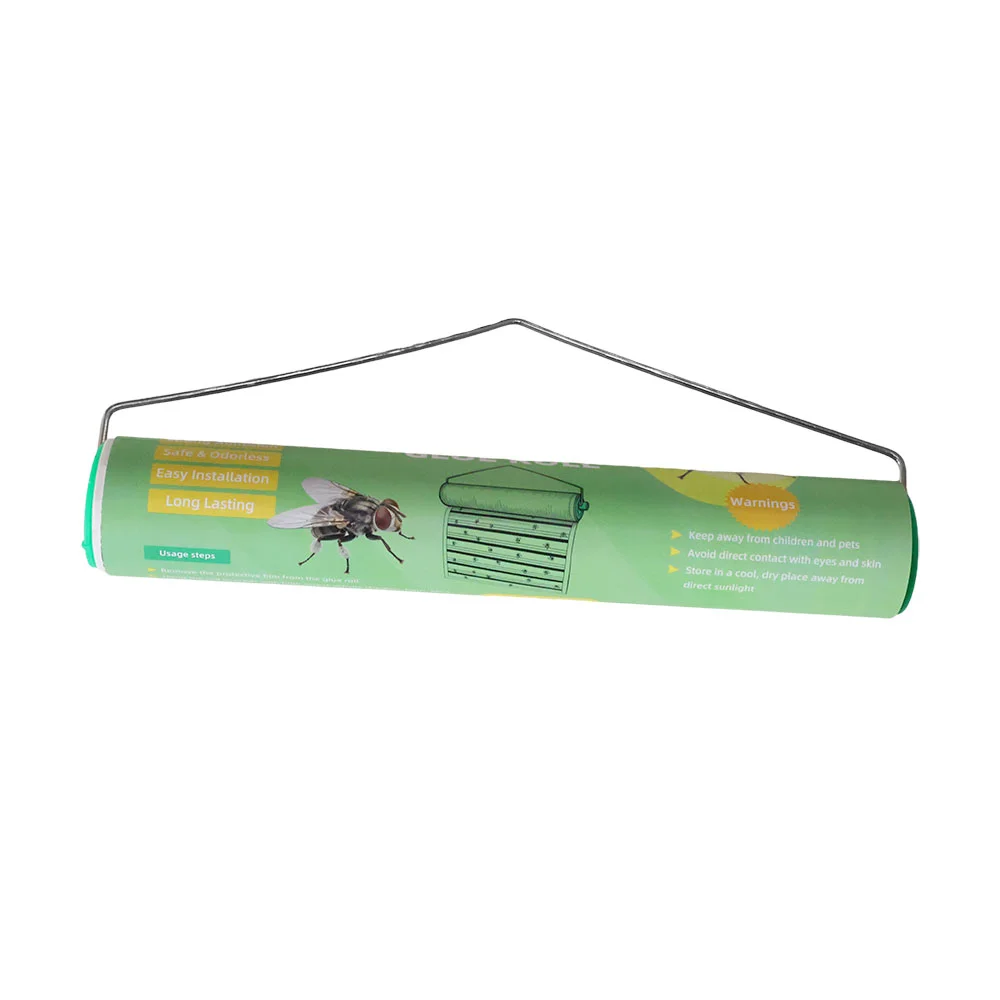
Having spent a fair amount of time around industrial equipment and pest control solutions, I’ve often found myself curious about the simplest yet most effective tools we use. Take fly paper, for example. Those long strips of sticky material, dangling in warehouses or behind workshop doors—ever wondered what exactly coats them to trap those pesky flies?
Frankly, the sticky stuff on fly paper is a specially formulated adhesive that’s both incredibly tacky and long-lasting. It’s not your everyday glue; it needs to be sticky enough to capture insects upon contact but also resilient enough to resist drying out or melting off in various environmental conditions. Oddly enough, the chemistry behind that gooey surface involves a balance of natural and synthetic resins combined with tackifiers and plasticizers to keep it fresh for weeks.
In real terms, these adhesives are designed to stay tacky without becoming dangerously hazardous—for example, it won’t remain sticky enough to trap your fingers like some glue traps. Most industrial fly papers rely on non-toxic, odorless formulas, often free from harsh solvents, because they’re intended for use in food processing plants or around sensitive equipment.
You might ask, what makes it so sticky? From what I’ve learned, the base is usually a blend of natural rubber or synthetic polymers. Then, tackifiers (which are slightly sticky resins) get added to increase the gripiness. A careful dose of plasticizers—think of them as agents that keep the glue pliable and soft—prevents the fly paper from becoming brittle or cracking over time. It’s kind of like how a fresh paint feels “wet” but eventually “sets” without losing flexibility.
Many engineers and product developers I’ve talked to emphasize the importance of adjusting these formulas depending on climate. For instance, a fly paper used in a hot, humid factory mustn't melt or loosen, but in a cold warehouse, it should not harden and lose tackiness. It's quite a balance and surprisingly nuanced.
Now, if you’re curious about actual product specs—here’s what a typical industrial-grade fly paper’s sticky layer tends to include:
| Specification |
Details |
| Adhesive Base |
Natural rubber blend with synthetic polymers |
| Tackifiers |
Resins like rosin esters or hydrocarbon resins |
| Plasticizers |
Phthalates or citrates to maintain softness |
| Solvents |
Minimal or none; mostly environmentally safe |
| Shelf Life |
6 to 12 months when stored properly |
You’ll find different fly paper vendors each formulate their adhesive layers a bit differently to adapt to their target environments or customer preferences. Here’s a quick vendor comparison I pulled together from some of my recent site visits and product tests:
| Vendor |
Adhesive Type |
Eco-Friendly |
Typical Application |
Price Range (per roll) |
| HB Archer |
Natural rubber blend with low solvents |
Yes |
Food plants, warehouses |
$15 - $25 |
| StickyTrap |
Synthetic polymer with hydrocarbon resins |
No |
Industrial, outdoor use |
$10 - $20 |
| EcoCatch |
Plant-based adhesives |
Yes, biodegradable |
Organic farms, eco-conscious businesses |
$18 - $30 |
I once visited a midwestern food processing plant where they switched from a cheaper fly paper to one with a more sophisticated, moisture-resistant adhesive. The difference was night and day—flies rarely got away, and maintenance staff didn’t have to replace strips every few days like before. Little details in the adhesive chemistry can truly improve worker hygiene and reduce contamination risks.
In my experience, the subtle engineering around that sticky stuff is a perfect example of how small innovations keep industrial spaces cleaner and safer. It feels like fly paper is one of those “unsung heroes” in pest control—quietly working behind the scenes with chemistry doing the heavy lifting.
So next time you glance at a strip of fly paper sticky stuff, you’ll know it’s not just a blob of glue—it’s a carefully crafted formula blending rubber, resins, and plasticizers, designed to trap more than just flies but headaches too.
References:
1. Industrial Adhesives Handbook, 3rd Ed., 2019
2. Interviews with Pest Control Engineers, 2023
3. HB Archer Product Specification Sheet, 2024