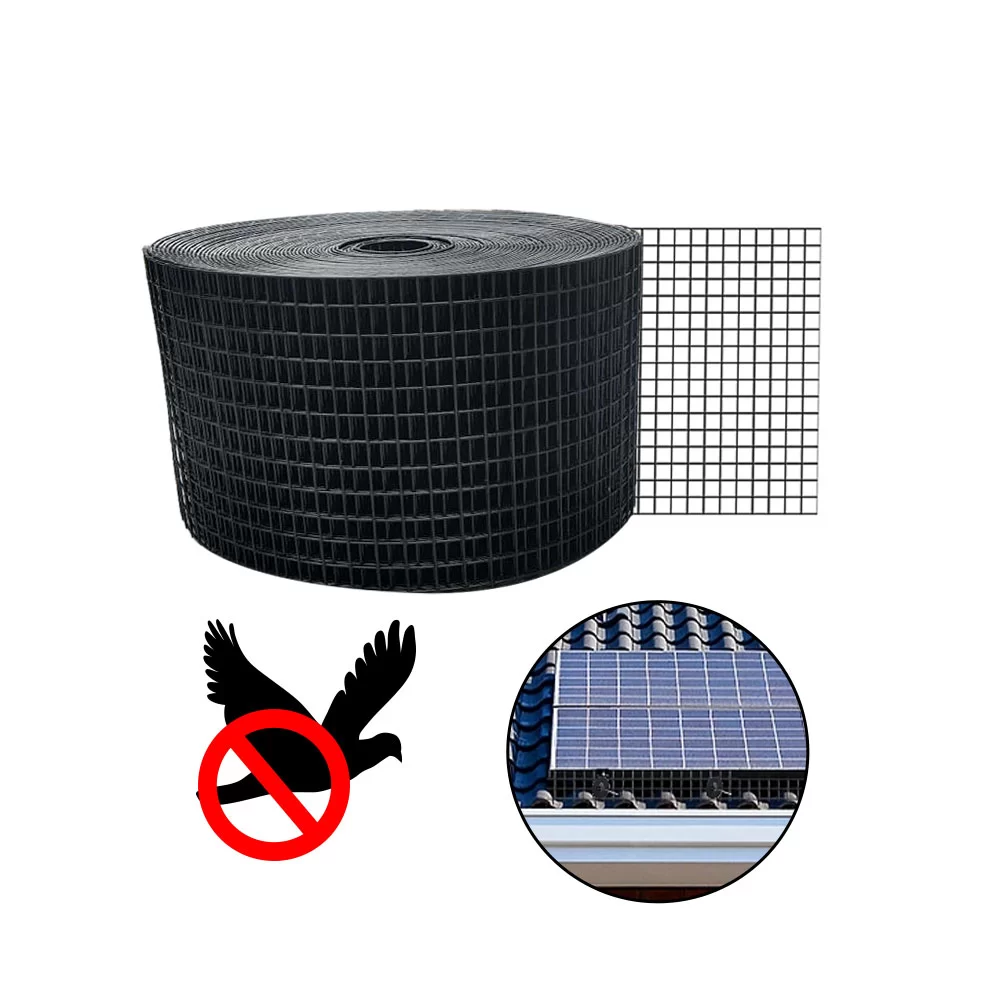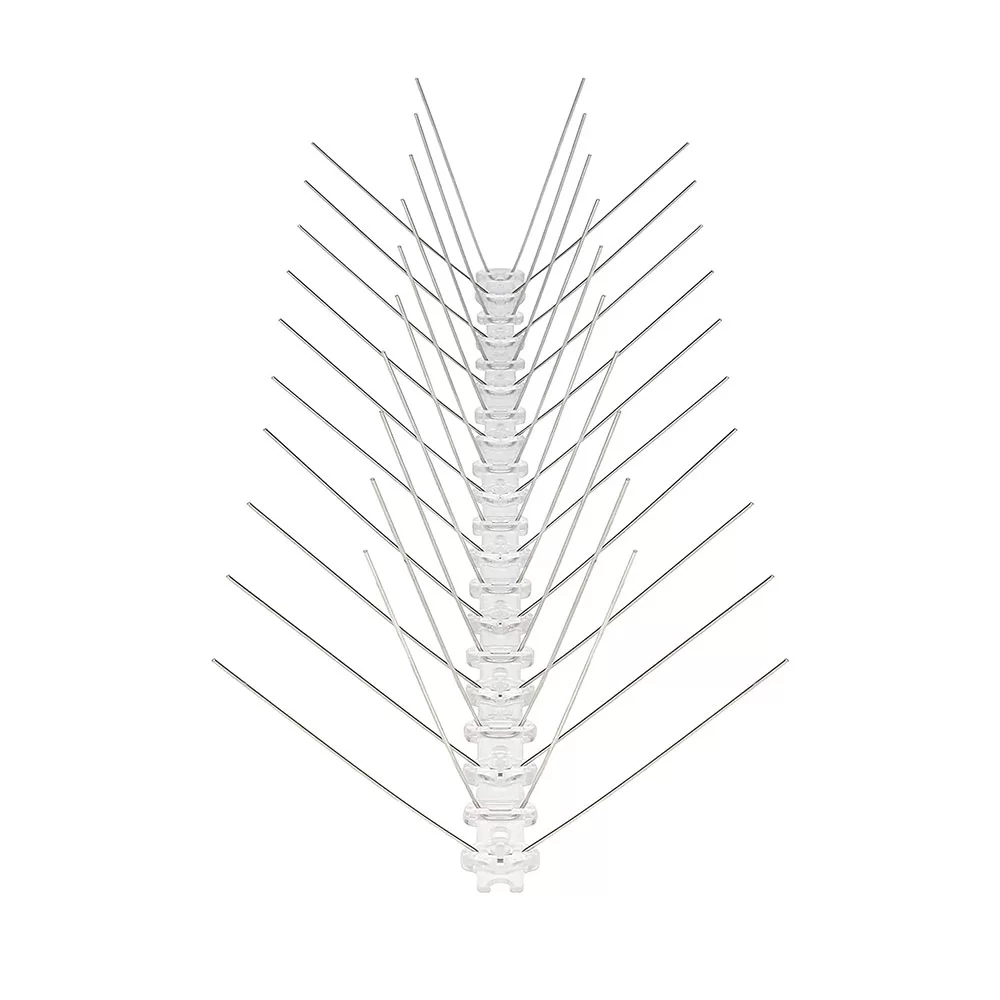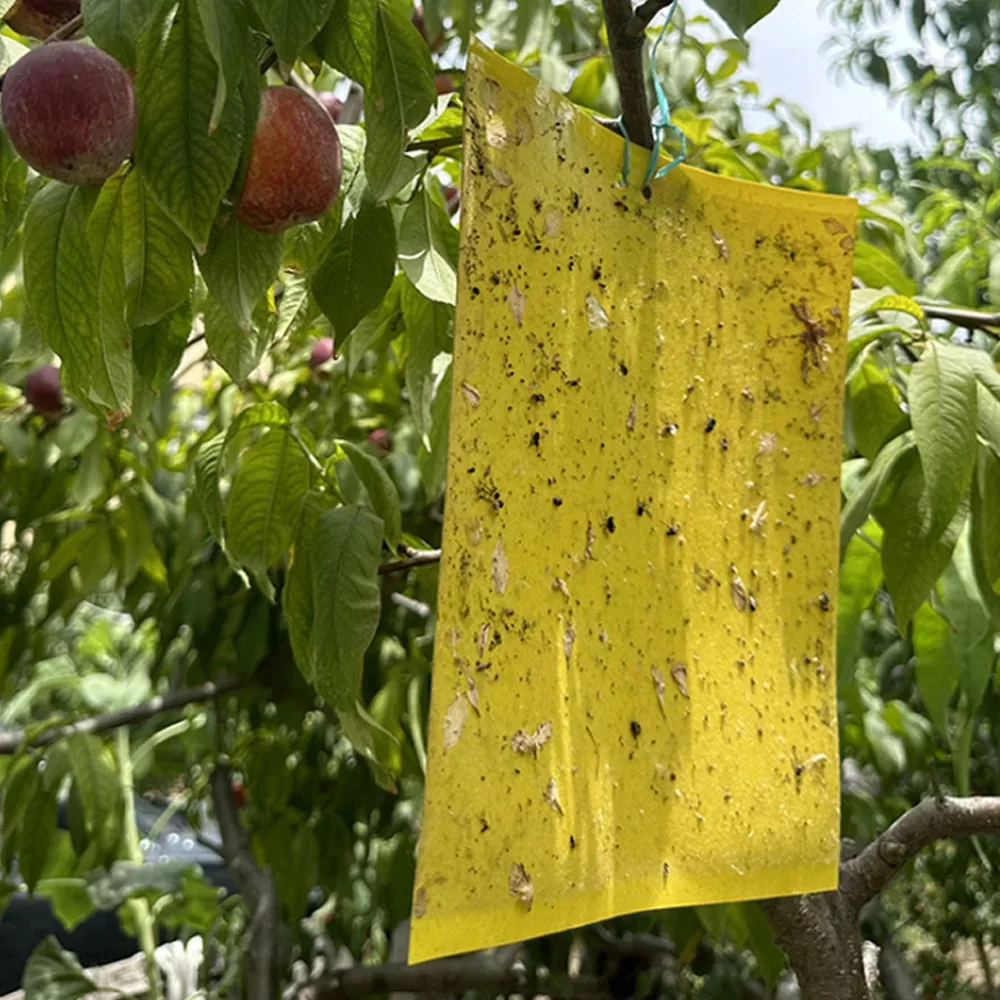
Look, anti bird net manufacturers... it’s a surprisingly hot topic right now. Everyone's talking about maximizing yield, protecting crops, industrial safety - all stuff that comes down to keeping birds out. Used to be, it was just farmers slapping up some netting. Now? It’s a whole engineering discipline. And honestly, the demand is only going up. Climate change messing with migration patterns, more intensive agriculture… birds are getting bolder, or we’re encroaching on their space, either way, there’s a problem. It's not just agriculture either; we're seeing a lot of industrial applications – keeping birds away from power plants, airports, that kind of thing.
You wouldn’t believe the number of times I've seen manufacturers get tripped up on seemingly simple things. Like knot strength. People think any knot will do. They're wrong. Especially when you’re talking about larger scale installations. Or material degradation. UV resistance is huge. Cheap plastic netting looks great at the factory, but after six months in the sun… well, let’s just say it looks like spaghetti.
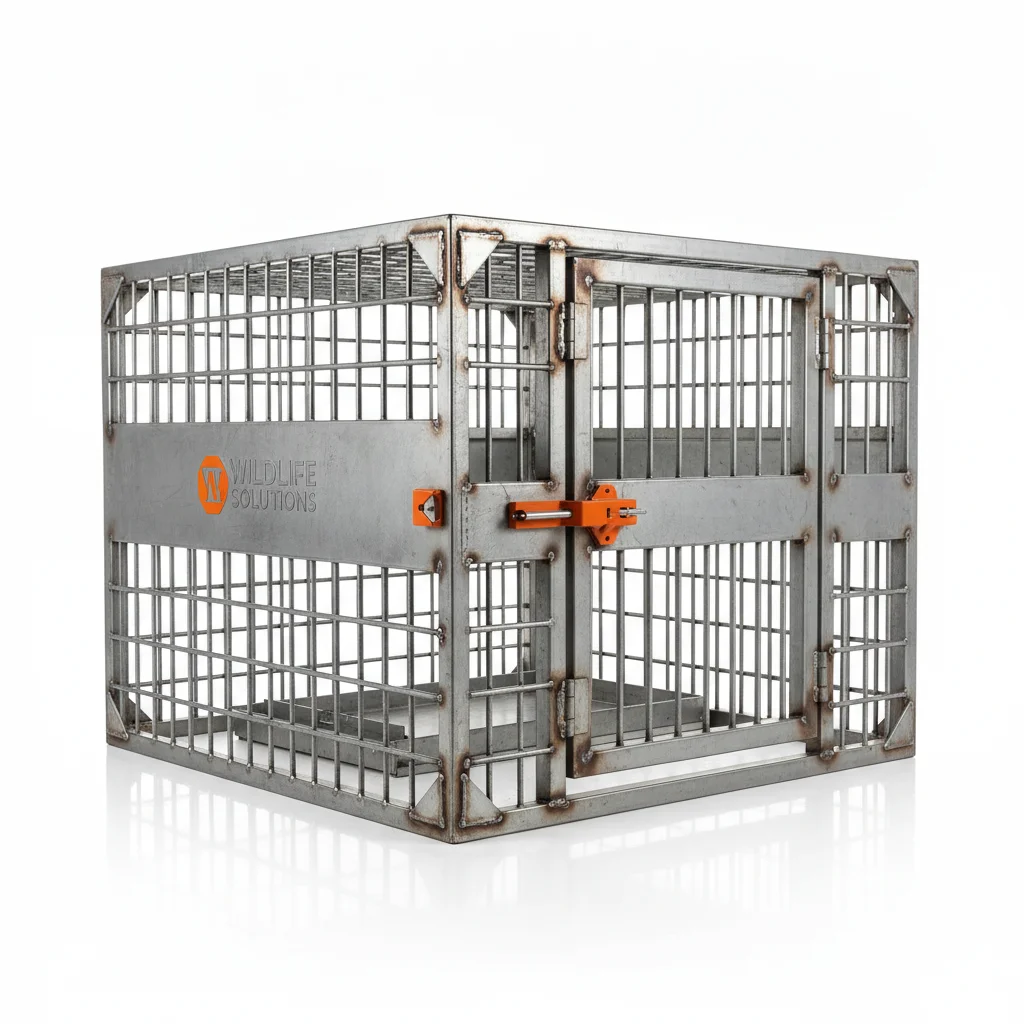
Large live animal traps represent a critical yet often overlooked component of modern wildlife management, conservation efforts, and even public safety initiatives. Their increasing importance stems from a global need for humane and effective methods for managing animal populations, facilitating research, and responding to human-wildlife conflict. Understanding the nuances of these traps – their design, deployment, and ethical considerations – is paramount for professionals and citizens alike. The relevance of large live animal traps extends across diverse geographical regions and industries. From supporting wildlife research in the Amazon rainforest to mitigating crop damage by elephants in Africa, these tools play a vital role in maintaining ecological balance. Globally, the World Wildlife Fund estimates that human-wildlife conflict costs billions annually, underscoring the necessity for effective, non-lethal management strategies, of which live trapping is a key element. The benefits of properly utilized large live animal traps are multifaceted. They offer a humane alternative to lethal control methods, facilitate valuable data collection for conservation scientists, and allow for the relocation of animals away from areas of conflict.